Toybox Font for Bold Digital Design
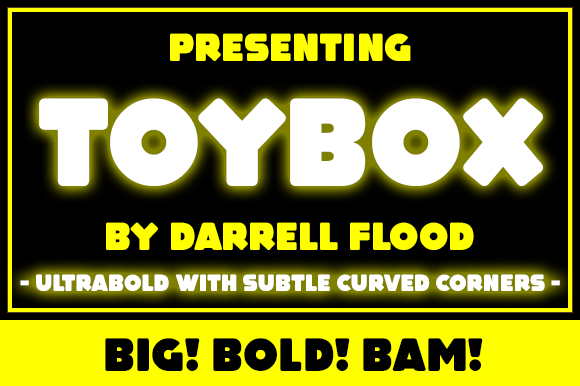
Toybox is a display font that brings boldness and clarity to any digital project. With its chunky, well-proportioned letterforms, it's designed to stand out without overwhelming the eye. This makes it an excellent choice for designers who need a typeface that communicates confidence and simplicity at the same time.
Visual Characteristics and Style
The chunky lettering of Toybox gives it a strong presence on screen. Each character is crafted with clean lines and consistent spacing, which ensures readability even at smaller sizes. Its modern aesthetic works well in both minimal and maximal design contexts, making it adaptable across a variety of brand identities.
Its bold weight and clear forms make it ideal for use in headers, banners, and other prominent areas of a website where attention is needed. The font’s personality is straightforward yet expressive, aligning well with brands that value clarity and impact.
Applications in Web Design
Toybox can be used effectively in several key areas of web design. For example, in hero sections, it adds visual weight to headlines while maintaining legibility. On landing pages, it helps guide the user's eye toward calls-to-action by creating a clear visual hierarchy.
In online stores, Toybox can elevate product banners and promotional content. It also pairs well with more subdued fonts for body copy, ensuring a balanced typographic system. When used in blog headers or course pages, it reinforces a sense of professionalism and creativity.
For creative portfolios or coaching websites, Toybox can serve as a signature element that reflects the designer’s or creator’s personal style. Its versatility allows it to work in both light and dark backgrounds, making it suitable for responsive layouts and mobile screens.
Readability and Usability Considerations
While Toybox excels in display purposes, it's important to consider its usability in different contexts. For small buttons or short phrases, the font remains legible but should be paired with sufficient contrast and padding to ensure it doesn’t feel cramped.
When using Toybox on mobile screens, it's recommended to test it at various sizes to confirm that it maintains clarity. Pairing it with a complementary sans serif or serif font for body text can enhance overall readability and create a cohesive design language.
Its performance on dark backgrounds is particularly noteworthy. The thick strokes of the letters maintain good visibility, avoiding the issues often seen with lighter display fonts in such settings.
Font Pairing and Brand Identity
To maximize the effectiveness of Toybox, it's best to pair it with a more subtle font for body copy. A clean sans serif like Helvetica or a classic serif like Georgia can provide a nice contrast, helping to maintain visual balance and improve scannability.
For editorial or branding projects, pairing Toybox with a script or handwritten font can add a touch of personality. However, this should be done carefully to avoid overcomplicating the design.
Whether you're building a brand identity kit or designing a digital ad, Toybox can serve as a strong foundation. Its ability to communicate tone and purpose quickly makes it a valuable asset in creating a consistent online presence.
Practical Use Cases
Consider using Toybox for a boutique online store where a strong visual identity is crucial. It can be used in product banners, category headers, and promotional emails to reinforce brand recognition.
On a coaching website, it can help emphasize key messages in headers and section titles. In a portfolio site, it can act as a stylistic anchor, giving the design a unified and professional look.
For a product landing page, Toybox can be used in headline sections to draw attention to features and benefits. In a digital course sales page, it can highlight module titles and key selling points.
Licensing and Technical Considerations
Before implementing Toybox in client projects or commercial websites, it's essential to review the licensing terms. Ensure that the font license covers all intended uses, including online stores, landing pages, and digital templates.
Check if the font includes a wide range of styles, weights, and multilingual support. This will help determine its suitability for international projects or complex typographic needs.
Webfont availability is another key factor. Confirm that the font can be easily integrated into your design system and performs well across different browsers and devices.
By choosing the right font and understanding its limitations, you can ensure that Toybox contributes positively to your design goals and enhances the overall user experience.