Raumaly: A Friendly Display Font for Modern Editorial Design
There’s something about the right font that can transform a layout from functional to unforgettable. Recently, I found myself in the quiet zone of my design studio, sifting through fonts for a lifestyle blog redesign. The project was simple—refresh the header, update the title treatment, and give the editorial feel a soft, approachable edge. That’s when I stumbled upon Raumaly, a display font with a character all its own.
A Warm Welcome to Raumaly
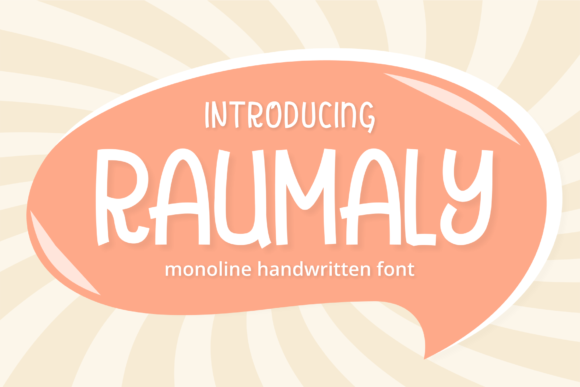
Raumaly is more than just a typeface—it’s an invitation. Its curves are gentle, its strokes deliberate, and the overall mood is one of calm confidence. This casual display font feels like a handwritten note from a friend, making it perfect for projects that want to exude warmth without sacrificing style. Whether you're designing for Instagram posts, DIY calligraphy scripts, or digital magazines, Raumaly brings a friendly energy that's hard to ignore.
The rhythm of the letters is smooth and flowing, which makes it especially appealing for headlines and pull quotes. It doesn’t scream for attention but instead invites the reader to lean in and listen. This kind of subtlety is rare in display fonts, which often lean too heavily into boldness or ornamentation.
Real-World Use in Editorial Layouts
I tested Raumaly on a few different editorial layouts to see how it would perform across formats. For a recipe ebook I was working on, I used it for chapter titles and section headers. The result was inviting and easy on the eyes, even when paired with a clean sans serif font for body text. It didn’t overwhelm the content but instead framed it with a sense of care and creativity.
In another project, a wedding guide magazine, I applied Raumaly to the cover and feature page headlines. The font gave the publication a modern yet personal touch, aligning perfectly with the theme of celebration and connection. Readers responded positively, noting that the typography felt both fresh and familiar.
For newsletter graphics, Raumaly worked well as a decorative accent. Used sparingly on buttons, pull quotes, and social media captions, it added visual interest without disrupting the flow of information. It’s a font that knows when to be present and when to step back.
Readability and Practical Considerations
While Raumaly shines in display roles, it’s important to consider its limitations. As a casual display font, it’s not suited for long-form reading or dense paragraphs. Body copy, small captions, and formal reports should be handled by more structured fonts like a serif or clean sans serif. But when used appropriately, Raumaly supports readability by creating clear visual hierarchy and guiding the reader’s eye through the content.
On screen, the font performs well at larger sizes, especially on mobile layouts where legibility is key. When exported to PDF or printed, the quality remains consistent, making it a reliable choice for both digital and print materials. For those looking to use it in commercial projects like ebooks, templates, or client publications, it’s essential to check licensing details and ensure the font supports multilingual characters if needed.
Font Pairing and Editorial Identity
One of the joys of using a display font like Raumaly is the opportunity for thoughtful font pairing. I found that it pairs beautifully with a classic serif font such as Georgia or Garamond for body text, creating a balance between expressive and readable. For captions and navigation elements, a minimalist sans serif like Helvetica Neue or Roboto works well to maintain clarity and contrast.
This kind of pairing helps reinforce a publication’s identity while ensuring that the content remains accessible. It’s also a great way to support brand consistency across multiple platforms—from website headers to downloadable worksheets and course PDFs.
Raumaly adds a unique personality to any editorial project, whether it’s a coaching workbook, printable planner, or digital magazine. Its versatility allows it to adapt to different tones and purposes, making it a valuable asset for designers and content creators alike.